
Well-Being and Safety
Rooted in Christian values, our approach to well-being and safety nurtures the whole person, spiritually, emotionally, physically, and mentally.
Our school vision, “I can do all things through Christ who gives me strength” (Philippians 4:13), inspires every aspect of our well-being provision. It reminds us that through faith, love, and support, every member of our community can overcome challenges, grow in confidence, and shine brightly in all we do.
We are proud to have achieved the Sandwell Well-Being Charter Mark, recognising our commitment to a whole-school approach that places compassion, inclusion, and resilience at the heart of our community.
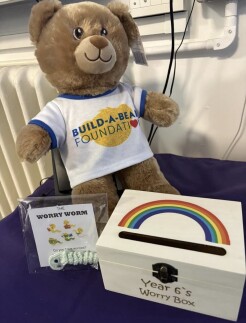
Our children are taught how to stay safe through our well-designed program of PSHE and personal development. They know who they can speak to if they are concerned or worried about something (all staff have trusted adult training). In each classroom we have Worry Boxes, where children can pop a worry or a concern about themselves or others.
Dedicated staff for pastoral support are given training and time to support children who are struggling with their well-being and mental health through a range of therapies. We also refer for external support if required.
We have a Well-being Warrior pupil group, who add pupil voice and perspective into whole school initiatives and planning .
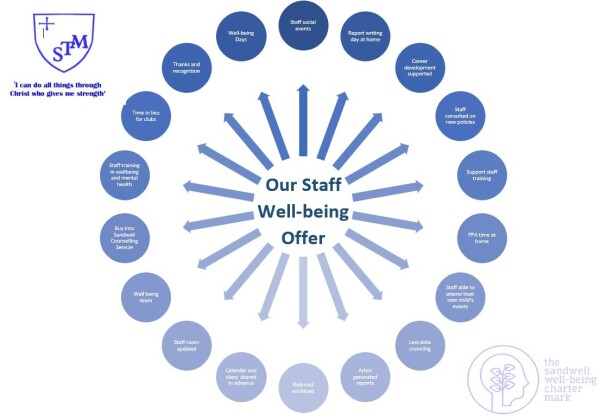
We care deeply about our staff and provide:
Workload Management:
-
Aim for workloads to be manageable, and that staff are not overloaded with tasks that could compromise their well-being.
Senior leaders will listen to feedback and Governors offer their support also. Use of DfE resources support this.
-
School has adopted a live marking policy to limit teacher marking books out of lesson time -see Teaching and Learning policy and Marking policy
-
Scheduled regular planning and preparation (PPA) time for teaching staff, which can be taken at home, subject to agreement from the Headteacher, including allocated time for collaborative planning and reflective practice.
-
Avoid excessive demands outside of contracted hours, ensuring that meetings, events, and activities are necessary and purposeful. This is in line with School Teachers' Pay and Conditions Document.
-
Teachers are given additional time for administrative tasks such as: data input, time for moderation of work and data and report writing.
Access to Counselling Services:
-
All staff have access to the employee assistance scheme to access for support if and when necessary
-
Provide stress/ mental health awareness training or support for all staff, including identifying signs of stress, burnout, and how to seek help.
-
Appoint a wellbeing Governor who is responsible for ensuring that the good health and wellbeing of all staff members is supported, promoted and valued by the school.
-
Encourage an environment of openness where mental health concerns can be discussed without fear of stigma or discrimination.
-
The staffroom environment is a positive environment where staff can relax and socialise. This includes a noticeboard that promotes awareness or support.
-
The head teacher or a trusted SLT adult will conduct stress risk assessments for work-related stress in consultation with staff, make individual suggestions/adaptations and referrals to occupational health when necessary.
-
Specific staff are trained as Mental Health First Aiders, offering a listening ear and guidance.
Physical Health
-
Ensure that staff have access to comfortable and ergonomic workspaces.
-
Staff using continuous display screen equipment (DSE) for a number of hours a day, will complete a workstation assessment annually.
Flexible Working
-
Where possible, support flexible working arrangements, including part-time hours, job sharing, and working from home (for administrative roles, where appropriate or for teachers’ PPA).
-
Allow for flexibility where possible to accommodate personal needs, family responsibilities, or external commitments.
Recognition and Appreciation
-
Celebrate staff achievements through formal and informal recognition through acknowledgment during staff meetings/emails/training.
-
Ensure that staff are thanked and appreciated for their hard work, particularly during challenging times (e.g., after major events, working towards an award, or during periods of heavy workload).
Positive working relationships
-
Foster a collaborative and supportive culture where staff work together as a team and feel comfortable seeking help from one another.
-
Promote inclusivity and diversity within the staff body and ensure that all staff are treated with dignity and respect.
-
Weekly diary sent out well in advance, so everyone feels included.
Support for Specific Staff:
-
New Staff - Provide induction programs for new staff members that include an introduction to support within the school.
-
Staff with Long-Term Illness or Disability - Support staff who are managing long-term health conditions by offering reasonable adjustments to their workload or working conditions where possible.
-
Returning to Work after Absence - Provide a structured and supportive reintegration plan for staff returning from extended leave, including sick leave or maternity/paternity leave.
Staff Involvement and Feedback
-
Encourage staff to actively participate in decisions affecting their well-being by providing feedback through surveys, informal check-ins or one-to-one meetings, where action can be taken on areas for improvement.
-
Ensure a well-being governor can talk to staff members across the school to ensure a broad perspective on staff well-being issues.
Safety Education and Partnerships
We deliver a comprehensive safety education programme through our curriculum and our trusted partnerships:
Sandwell School Nurses: Teaching age-appropriate sessions on:
-
Personal hygiene
-
Safety via PANTS workshops
-
Healthy eating
-
Healthy relationships (including sex education)
-
Puberty
-
Emotional well-being
PCSOs (Police Community Support Officers): Delivering age-appropriate sessions on:
-
Online safety and cyberbullying
-
Stranger danger and personal safety
-
Anti-social behaviour and respect in the community
-
Gangs and peer pressure awareness
-
Knife crime prevention, helping pupils understand the risks, consequences, and how to seek help.
Sandwell DECCA education: Delivering sessions on
-
Alcohol and Cannabis
-
Medicines and safety
-
Tobacco and its dangers
-
ENDS (Vapes)
Sandwell Road Safety Education: Working closely with our school to deliver:
-
Child Pedestrian Safety Training in Year 1
-
Year 6 Transition Safety Workshops
-
Whole-School Road Safety Assemblies
Other Partners:
Railway Safety (Network Rail) : Educating pupils on safe behaviour near railways. We are proud to have earned the Rail Safe Friendly Silver Award, recognising our commitment to rail safety education and awareness.
Water Safety (Tipton Swimming Baths) - educating children about safety around water and what to do if you or someone you are with gets into trouble.
Remedi - Step Up: Beat Hate - Promoting kindness, respect and understanding, and how we can all help make our school and community a safer place. Pupils learned what a hate crime is, the impact hate crimes can have on individuals and communities, and how to support others and take positive action when someone may be in need.
First Aid Workshops: Equipping children with life-saving skills – led by Dudley First Responders.
Online Safety Sessions: Delivered to both pupils and parents to promote responsible digital behaviour by lead staff and PSCOs.
Speak out to Stay Safe: Staff use NSPCC resources to ensure children know how to report concerns about abuse to a trusted adult.
Anti-Bullying Week: Staff deliver Anti-Bullying Alliance sessions on types of bullying and how to report it. Sandwell SHAPE teem support this.
Learn to Ride and Bikeability Sessions: Helping pupils develop essential cycling skills, road awareness, and confidence for safe travel.
Modeshift STARS Good Travel Plan: Promoting safe, sustainable travel to and from school, encouraging active lifestyles and reducing environmental impact.